Source belt drive cyclocross bike for Commuting, Racing, and Trails
Compare 30 available options for a belt drive cyclocross bike designed for diverse terrains. Buyers can evaluate specifications like frame material, wheel size, and customization to find the right equipment for commuting, racing, or trail riding.
Key considerations
Products List




Comprehensive Sourcing Guide
Strategic Sourcing Guide for Belt Drive Cyclocross Bike Procurement
Understanding the Product Landscape and Market Reality
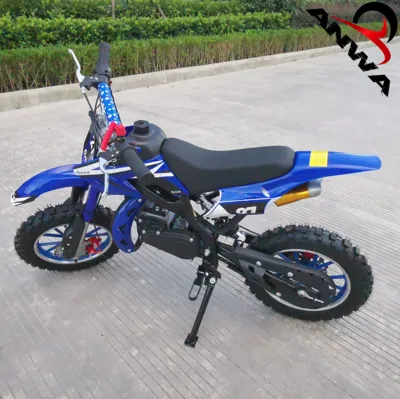
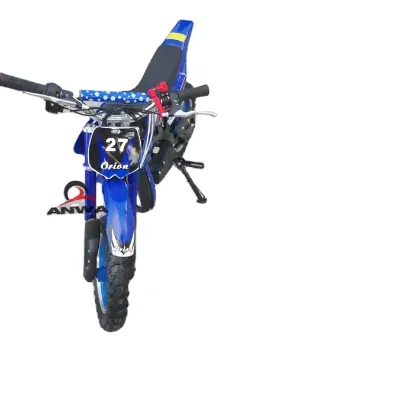
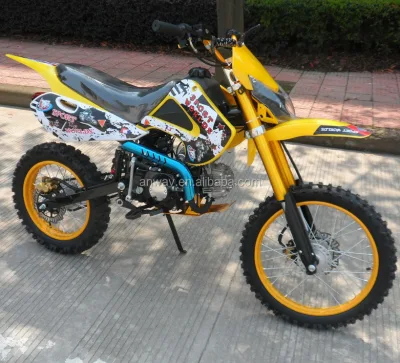
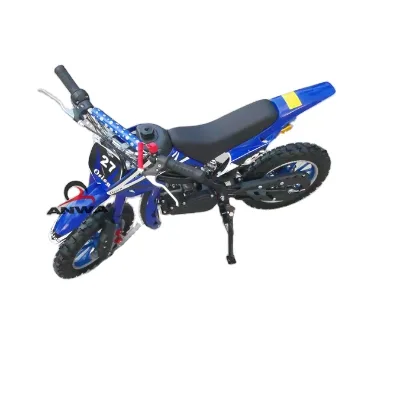
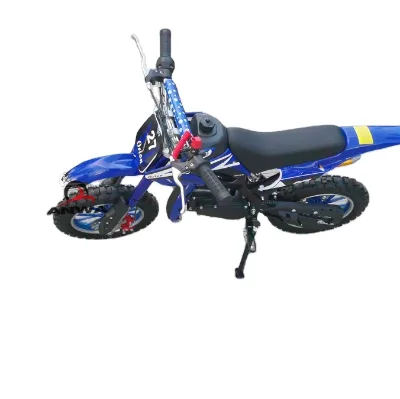
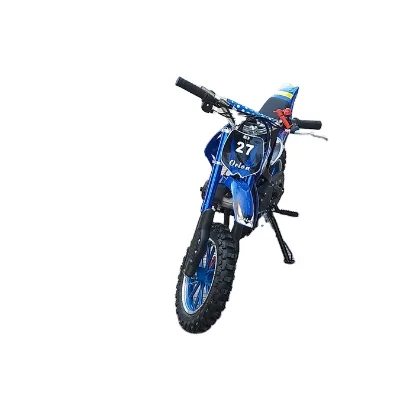
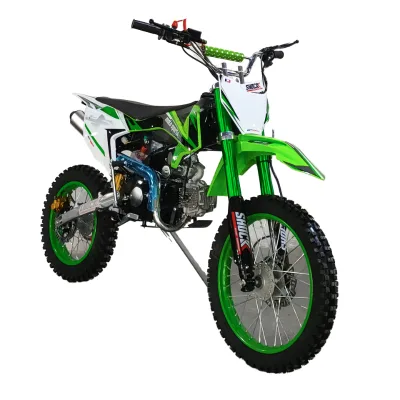
When initiating a procurement strategy for a belt drive cyclocross bike, the buyer must first reconcile the specific technical requirements of the core keyword with the available inventory data. The term "cyclocross bike" typically implies a bicycle designed for mixed-terrain racing, featuring drop handlebars, specific tire clearance, and a lightweight frame. However, the provided product data reveals a significant divergence from this traditional definition. The observed inventory is dominated by motorized units, specifically dirt bikes and pocket bikes, rather than human-powered cyclocross bicycles.
The supplied facts indicate a product line characterized by "Engine: 4 Stroke" and "Engine: 2 Stroke" configurations, with fuel types listed as "Gas / Diesel." Models such as the DB-X12, DB609B, and DBK14 are explicitly categorized as "Dirt Bike" or motorized units. Furthermore, the presence of a "49cc, 2-stroke" engine and a "chain drive" transmission in the data suggests that the current market supply for the keyword "belt drive cyclocross bike" may be limited or non-existent within this specific dataset. The only non-motorized attribute observed is a "Flatbed Trolley" with "24" wheels," which does not align with the cyclocross profile.
Consequently, the procurement process must begin with a rigorous verification of the product category. Buyers should not assume that a listing containing "belt drive" or "cyclocross" terminology automatically matches the high-performance, human-powered specifications required for competitive cyclocross racing. The data shows a prevalence of motorized off-road vehicles with dimensions ranging from 1320670890MM to 21808301265MM. A buyer seeking a true cyclocross bicycle must explicitly filter out these motorized units, which are often confused in broad search results due to shared keywords like "dirt" or "off-road."
Technical Specification Verification and Drive System Analysis
The drive system is the critical differentiator in this sourcing exercise. The core keyword specifies a "belt drive," a technology favored in modern cycling for its low maintenance, cleanliness, and longevity compared to traditional chain drives. However, the supplied product facts explicitly list "chain drive" as the transmission type for the motorized units (e.g., Model DW4901). This creates a direct conflict with the buyer's requirement.
When evaluating potential suppliers, the buyer must demand specific technical documentation confirming the drive mechanism. The absence of "belt drive" in the provided specifications for the listed models (DB series, HP series) indicates that these are not the correct products for a belt drive cyclocross application. The buyer must verify the following technical parameters before proceeding:
| Parameter | Required Specification for Belt Drive Cyclocross | Observed Data Context |
|---|---|---|
| Drive Type | Carbon Fiber or Polyurethane Belt | Chain Drive (Observed in motorized units) |
| Power Source | Human Pedal Power | Gas / Diesel Engine (4 Stroke / 2 Stroke) |
| Frame Material | High-Modulus Carbon or Aluminum | Aluminum (Observed in trolleys and frames) |
| Wheel Size | Typically 700c (approx. 29") | 24" (Observed in trolleys), 12" (Observed in models) |
| Transmission | Single Speed or Internal Gear Hub | Chain Drive (Observed) |
The data also highlights a "Flatbed Trolley" with "Ordinary Foot Pedal" attributes. While this includes a pedal, it lacks the frame geometry, gearing, and tire clearance essential for cyclocross. The "24" wheel size" observed is smaller than the standard 700c wheels used in cyclocross, further indicating a mismatch. Buyers must insist on a Bill of Materials (BOM) that explicitly lists the belt manufacturer (e.g., Gates Carbon Drive) and the tensioning mechanism, as these are not present in the generic motorized listings provided.
Compliance, Certification, and Regulatory Standards
Navigating the regulatory landscape is paramount when sourcing motorized vehicles versus bicycles. The supplied data includes "CE" certification for certain models. This certification is crucial for products entering the European market, indicating conformity with health, safety, and environmental protection standards. However, the application of CE certification varies significantly between a human-powered bicycle and a motorized dirt bike.
If the buyer is sourcing a motorized unit that claims to be a "cyclocross" style bike, the CE certification must cover the engine, exhaust system, and noise emissions. The data lists "Engine: 4 Stroke" and "Engine: 2 Stroke" models, which are subject to strict emission standards in many jurisdictions. The "2.4L" tank capacity and "pull start" mechanisms further confirm the motorized nature of these units. A buyer must verify that the CE mark is valid for the specific engine displacement and that the product meets local roadworthiness requirements.
For a true human-powered belt drive cyclocross bike, the regulatory focus shifts to bicycle safety standards (such as EN 14764 for bicycles) rather than engine emission standards. The provided data does not explicitly list bicycle safety certifications, only CE for the motorized units. Buyers must ensure that any supplier claiming to sell a belt drive cyclocross bike provides documentation proving the product is classified as a bicycle, not a motor vehicle, to avoid customs seizures or liability issues. The "As images" standard noted in the data is insufficient for compliance; written technical standards and test reports are required.
Cost Drivers and Pricing Structure Analysis
The pricing landscape for the observed products is highly volatile, with an observed range of $21 to $1,539 USD. This wide disparity suggests a mix of low-cost accessories, small motorized pocket bikes, and larger, more complex dirt bikes. The "Single gross weight" of 26.000 kg for one model indicates a heavy, substantial vehicle, likely contributing to higher shipping costs and a higher price point.
Several factors drive the cost of a belt drive cyclocross bike, distinct from the motorized units in the data:
- Belt System Cost: The carbon fiber belt and the specialized rear hub required for tensioning are significantly more expensive than a standard chain and sprocket setup.
- Frame Engineering: Cyclocross frames require specific geometry for mud clearance and durability, often involving high-grade aluminum or carbon fiber, which increases material costs.
- Manufacturing Complexity: The integration of a belt drive system requires precise alignment and specialized tooling, which can increase the manufacturing cost compared to traditional chain-driven bikes.
In contrast, the motorized units in the data likely derive their cost from the engine assembly, fuel tank, and exhaust system. The "Aluminium" material is common to both, but the engine components add substantial value. Buyers should be wary of prices at the lower end of the observed range ($21-$100), as these are likely for accessories or very small, low-quality motorized units, not full-sized cyclocross bikes. A legitimate belt drive cyclocross bike will typically command a premium price due to the specialized components involved.
Supplier Evaluation and Origin Verification
The supply chain for these products originates primarily from "China," with specific mentions of "Zhejiang, China." Zhejiang is a known manufacturing hub for bicycles and small engines. However, the diversity of the product list—ranging from flatbed trolleys to 49cc dirt bikes—suggests that many suppliers are generalists rather than specialists in high-performance cycling.
When evaluating suppliers, buyers must look for specialization. A supplier listing "Dirt Bike" models like DB-X12 and DB609B alongside a "Flatbed Trolley" may not possess the technical expertise to manufacture a high-quality belt drive cyclocross bike. The "Brand Name: anwa" and "Model Number: DW4901" suggest a specific manufacturer, but the lack of a dedicated cyclocross model in the data raises questions about their capability in this niche.
Buyers should request evidence of past production runs for belt drive bicycles. The "Customization: Available" attribute is a positive indicator, suggesting the supplier can adapt to specific requirements. However, customization of a motorized engine is different from customizing a bicycle frame and drive train. The "Single package size" of 105X25X52 cm suggests compact packaging, which is beneficial for shipping but may not accommodate a full-sized bicycle frame. Buyers must verify the supplier's ability to handle the specific packaging requirements for a bicycle, which often requires a large, flat box to prevent frame damage.
Quality Control and Long-Term Procurement Considerations
Quality control for a belt drive system is critical. Unlike a chain, a belt cannot be easily adjusted for slack; it requires precise tensioning and alignment. The "suspension: front and rear suspension" noted in the data is a feature of the motorized units, which is irrelevant for a standard cyclocross bike but essential for a motorized off-road vehicle. Buyers must ensure that the quality control process includes rigorous testing of the belt tension and the durability of the frame under the specific loads of cyclocross racing.
Long-term procurement considerations involve the availability of spare parts. The "2.4L" tank capacity and "pull start" mechanisms of the motorized units imply a need for fuel and engine maintenance, which is a different supply chain than bicycle parts. For a belt drive bike, the buyer must secure a supply of replacement belts and sprockets. The "Condition: New" attribute is standard, but buyers should inquire about the warranty period for the belt system, as premature wear could lead to significant downtime.
The "Maximum load capacity: 80kgs/176lbs" observed in the data is a crucial metric. For a human-powered bike, this refers to the rider weight. For a motorized unit, it may refer to cargo or rider capacity. A buyer must clarify if the 80kg limit applies to the intended use case. If the buyer intends to use the bike for racing or heavy commuting, a higher load capacity might be necessary. The "Top speed: 45km/h" for the motorized units is irrelevant for a human-powered bike, where speed is determined by rider power and gearing.
Final Procurement Recommendations and Risk Mitigation
In conclusion, the current product data presents a significant challenge for sourcing a "belt drive cyclocross bike." The inventory is heavily skewed toward motorized dirt bikes and utility trolleys, with explicit mentions of "chain drive" and "Gas / Diesel" engines. The "CE" certification and "Aluminium" material are present but apply to different product categories.
Buyers should proceed with extreme caution. The first step is to issue a Request for Quotation (RFQ) that explicitly excludes motorized vehicles and demands a belt drive system. The buyer must verify the "prod_model" against a list of known belt drive bicycle models, as the current list (LHY-0174, DB-X12, etc.) does not match the requirements. If the supplier cannot provide a non-motorized, belt-driven bicycle, the buyer should consider expanding the search to suppliers specializing in high-end cycling components rather than general motorized vehicle manufacturers.
The "Customization: Available" feature offers a potential pathway, but only if the supplier has the technical capability to integrate a belt drive system into a cyclocross frame. The "Box" packing and "24" wheel size" observations suggest that the current offerings are not suitable for the intended application. Buyers must prioritize suppliers who can provide detailed technical drawings, belt manufacturer certifications, and proof of compliance with bicycle safety standards. By rigorously filtering out the motorized units and focusing on the specific technical requirements of the belt drive system, buyers can mitigate the risk of purchasing incompatible products and ensure a successful procurement outcome.
FAQs
What is the typical wheel size for the observed flatbed trolleys?
The observed flatbed trolleys feature a 24-inch wheel size. This dimension differs from standard cyclocross bikes which typically use 700c wheels. Buyers must verify wheel specifications to ensure compatibility with intended terrain and performance requirements.
Which certification is available for the motorized units in the inventory?
CE certification is available for certain motorized units listed in the inventory. This certification indicates conformity with European safety standards for the specific engine and exhaust systems. Buyers should request valid CE documentation to ensure regulatory compliance for their target market.
Can the aluminum frame construction be customized for specific needs?
Customization is available for the aluminum frame construction of the listed products. Suppliers can adapt specifications to meet unique buyer requirements. However, buyers must confirm that customization applies to the specific product category rather than generic motorized units.
How is the transmission configured for the motorized dirt bike models?
The transmission for the motorized dirt bike models is configured as a chain drive. This differs from the belt drive system required for the core keyword. Buyers must explicitly filter out chain-driven units to find the correct belt drive technology.
What is the maximum load capacity observed for the listed trolleys?
The maximum load capacity observed for the listed trolleys is 80 kilograms or 176 pounds. This metric applies to the utility trolleys rather than human-powered bicycles. Buyers must verify if this capacity meets the specific weight requirements for their intended cycling application.
Which engine type is common for the motorized units in the data?
The common engine types for the motorized units are 4-stroke and 2-stroke configurations. These units run on gas or diesel fuel. Buyers seeking human-powered cyclocross bikes must exclude these motorized options to avoid purchasing non-compliant vehicles.
What is the standard packaging method for the listed products?
The standard packaging method for the listed products is a box. Some units have specific single package dimensions recorded. Buyers should confirm packaging details to ensure safe transport and to verify if the box size accommodates the specific frame geometry required.